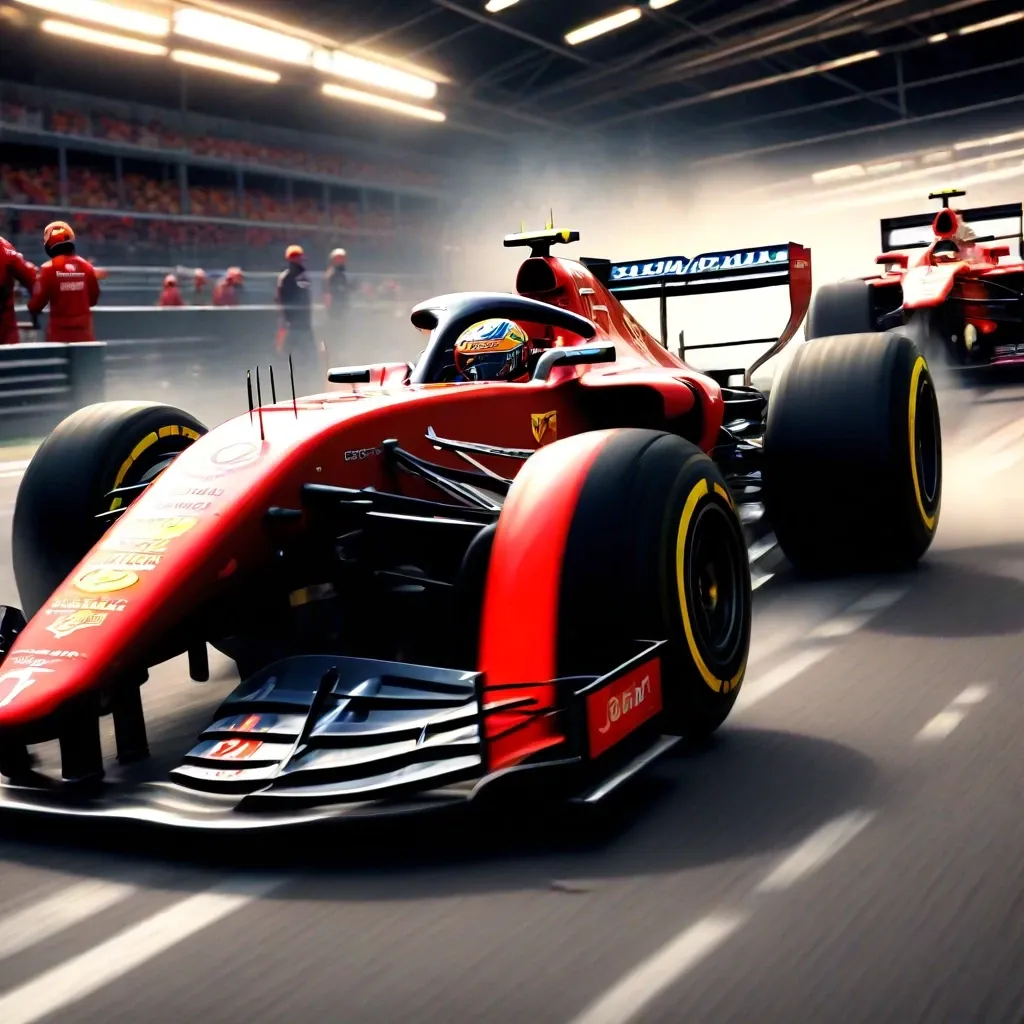
In the exhilarating world of Formula 1, where milliseconds can separate victory from defeat, the drama extends far beyond the roar of the engines. The strategic battle waged in the pits, particularly concerning tyre selection and management, often dictates who kisses the winner’s trophy. Remember that last Grand Prix where a bold tyre gamble catapulted an underdog to the podium, leaving seasoned veterans in their wake? That wasn’t just luck; it was the calculated execution of a tyre strategy that defied expectations.
For those with a keen eye for detail, F1 betting offers a thrilling avenue to leverage knowledge and potentially reap significant rewards. But navigating the complexities of tyre strategy can feel like deciphering a foreign language. This expert guide is designed to cut through the noise, transforming you from a casual observer into an informed F1 betting aficionado and expert, ready to capitalize on the pivotal role tyres play in shaping race outcomes. Learn how to translate tyre insights into winning bets.
Understanding F1 Tyres
Formula 1 racing relies heavily on tyre performance, and Pirelli provides a range of tyre compounds to suit various track conditions and racing strategies. These compounds differ in their grip levels, durability, and optimal operating temperatures.
Pirelli Tyre Compounds
Each type of tyre is designed for specific conditions, influencing a car’s handling and overall race strategy:
- Soft Tyres: These tyres offer the most grip, allowing for faster lap times. However, they degrade quickly, making them suitable for shorter stints in qualifying or during aggressive race strategies.
- Medium Tyres: Balancing grip and durability, medium tyres are versatile for a wide range of conditions. They provide a good compromise for teams looking for consistent performance over longer periods.
- Hard Tyres: Designed for maximum durability, hard tyres are the slowest but most consistent. They are ideal for tracks with high abrasion or races where long stints are necessary.
- Intermediate Tyres: Used in damp conditions, these tyres have a tread pattern that helps displace water, providing more grip than slick tyres but less than wet tyres. They are crucial when the track is neither fully wet nor dry.
- Wet Tyres: Designed for heavy rain, wet tyres feature a deep tread pattern to evacuate large amounts of water, preventing aquaplaning and maintaining grip in extremely wet conditions.
Tyre Allocation and Recognition
During a race weekend, teams are allocated a certain number of each tyre compound. Pirelli marks each tyre with colored bands on the sidewall, making it easy to identify them. Teams must use at least two different specifications of dry-weather tyres during the race, adding another layer to race strategy.
Decoding F1 Race Strategy
F1 race strategy is a complex and ever-evolving art, crucial for success in the pinnacle of motorsport. Teams meticulously plan every aspect of the race, from tire choices to pit stop timings, all in the pursuit of maximizing track position and ultimately securing victory. Understanding these strategies can significantly enhance your appreciation of the sport.
The Undercut Explained
The undercut is a pit stop strategy where a driver pits earlier than their rival in an attempt to gain track position. The idea is that the new tires will allow the driver to set faster lap times, and when the rival pits on the next lap or two, the driver will emerge from the pits behind the undercutting driver. This strategy works best when there’s a significant tire performance difference or when it’s difficult to overtake on the track. For example, if Driver A is closely following Driver B but struggling to pass, Driver A might pit for fresh tires. If Driver A sets a series of fast laps, Driver B will likely emerge from the pits behind Driver A, effectively losing position.
The Overcut Explained
Conversely, the overcut involves a driver staying out on track longer than their rival, hoping to gain time on older tires. This strategy relies on the driver either maintaining competitive lap times on worn tires or the rival encountering traffic after their pit stop. The overcut can be a riskier strategy, as tire degradation can significantly impact lap times. However, a well-executed overcut can be incredibly rewarding. For instance, if Driver C stays out longer and maintains good pace while Driver D gets stuck behind slower cars after pitting, Driver C might gain enough time to emerge ahead after their own pit stop.
Stint Length Planning
Stint length planning is the process of determining how many laps a driver will run on each set of tires during the race. This planning is crucial and depends on factors such as tire compound, track conditions, fuel load, and the driver’s ability to manage tire degradation. A shorter stint length might provide better grip and faster lap times initially, while a longer stint length reduces the number of pit stops required. Teams carefully model these factors to optimize their pit stop strategy and overall race time, aiming for the perfect balance between performance and minimizing time spent in the pits.
Factors Influencing Tyre Degradation
Tyre degradation is a critical aspect of motorsport, particularly in Formula 1, where even a slight drop in tyre performance can significantly impact lap times and race strategy. Several factors contribute to how quickly tyres degrade, demanding careful management from drivers and engineers alike. Understanding these factors is key to optimizing performance and extending tyre life.
Track Temperature: High track temperatures are a major contributor to tyre degradation. As the track surface heats up, the tyre temperature increases, leading to increased wear and a reduction in grip. The rubber becomes softer and more prone to abrasion, causing it to degrade faster. In hotter races, teams often focus on strategies to mitigate the effects of high temperatures, such as managing tyre temperatures during formation laps or adjusting brake cooling.
Track Surface: The abrasiveness of the track surface also plays a significant role. Some tracks have a rougher surface that acts like sandpaper on the tyres, accelerating wear. Tracks with coarse asphalt or debris can cause significant tyre degradation compared to smoother circuits. Teams analyze track surface data to predict wear rates and select appropriate tyre compounds.
Car Setup: The car’s setup, including parameters like camber, toe, and suspension settings, heavily influences tyre wear. An aggressive setup that maximizes grip may also increase tyre degradation. Finding the right balance between performance and tyre preservation is crucial. For example, excessive camber can improve grip in corners but lead to uneven tyre wear.
Driving Style: A driver’s style significantly affects tyre degradation. Smooth, precise driving reduces stress on the tyres, while aggressive cornering, heavy braking, and wheelspin can accelerate wear. Drivers known for their tyre management skills often adopt a more controlled approach, preserving their tyres for longer stints.
Aerodynamic Load: High aerodynamic load, particularly in high-speed corners, puts immense stress on the tyres. Downforce increases the vertical load on the tyres, increasing friction and heat buildup. This is particularly evident at tracks with fast, sweeping corners, where tyres can quickly degrade due to sustained high loads. Teams adjust aerodynamic settings to balance performance with tyre management.
Identifying Betting Opportunities Based on Tyre Strategy
Formula 1 racing isn’t just about roaring engines and daring overtakes; it’s a high-stakes chess match played at breakneck speed, where tyre strategy is a critical piece. Savvy fans know this, and they’re turning their tyre knowledge into a profitable edge in the world of F1 betting.
The F1 betting landscape extends far beyond simply picking the race winner. An array of fascinating betting markets revolves directly around tyre strategy, offering a chance to capitalize on your understanding of compound choices, pit stop timings, and the ever-predictable unpredictability of the race.
F1 Betting Markets. One popular market is betting on the first driver to pit. By carefully studying pre-race simulations and understanding how different teams manage their tyre degradation, you can pinpoint drivers likely to pit early due to aggressive strategies or unexpectedly high wear. Another exciting option involves predicting the total number of pit stops in a race. This requires analyzing the circuit layout, weather forecasts, and expected tyre lifespan to estimate the optimal pit stop window. Some bookmakers even offer bets on the tyre compound a driver will use at the end of the race, adding another layer of strategic depth.
Value Bets. To identify value bets in these markets, research is essential. Compare the offered odds with your own calculated probabilities based on tyre data and team tendencies. If you believe a driver is more likely to pit early than the odds suggest, it could be a valuable opportunity. For instance, during one season, a particular team consistently opted for aggressive early pit stops. Recognizing this pattern allowed me to successfully bet on their drivers to be among the first to change tyres in several races, beating odds that didn’t fully reflect their strategy.
In-race betting adds another dimension to tyre strategy wagers. Watching how the tyres perform in the initial laps and observing the real-time degradation rates can provide valuable insights, allowing you to adjust your bets and potentially capitalize on unexpected situations like safety cars or sudden changes in weather.
Analysing Tyre Data in Real-Time
Successfully analyzing tyre data in real-time can provide a significant edge. By monitoring crucial data points like lap times, telemetry, and wear indicators, anyone can gain insights into a team’s potential strategies during a race.
Lap times are a fundamental indicator. A sudden increase in lap time often signals degrading tyre performance, potentially leading to a pit stop. Observing trends over several laps can also reveal how consistently a driver is managing their tyres, influencing the longevity of a particular tyre compound.
Telemetry data offers a more granular view. Analysing tyre temperature and pressure in real-time allows racing enthusiasts to ascertain how well a tyre is performing, if a tyre is overheating, or if a driver is struggling with grip. Teams and fans use this data to optimize tyre pressures during pit stops.
Wear indicators, either visual or sensor-based, provide direct information about tyre degradation. Teams use visual inspections during pit stops and rely on sensors embedded within the tyre to transmit wear data in real-time. Monitoring these indicators, particularly in conjunction with lap times, helps anticipate when a team might be forced to make an earlier than expected pit stop.
In essence, successful real-time tyre data analysis involves synthesizing these various data streams to predict team strategies and potential pit stop windows. Identifying these opportunities early can inform betting decisions about race outcomes.
Case Studies: Tyre Strategy Wins and Losses
Tyre strategy can make or break a Formula 1 race. Examining specific races reveals the high stakes involved in these crucial decisions. Success hinges on precise calculations, real-time adjustments, and a bit of luck, while errors can lead to devastating consequences.
One notable example is the 2011 Chinese Grand Prix, where Lewis Hamilton, then driving for McLaren, executed a brilliant tyre strategy to snatch victory. Starting third, the team opted for an aggressive strategy, using the soft tyres early in the race and switching to the mediums later. This gamble paid off handsomely, helped by Hamilton’s ability to manage his tyres effectively. The result saw him hunt down and pass Sebastian Vettel in the closing laps, handing Red Bull Racing a bitter pill and demonstrating the power of thinking outside the box when it comes to tyres.
Conversely, the 2013 British Grand Prix at Silverstone highlighted the potential pitfalls of tyre management. Multiple high-speed tyre failures plagued the race, ultimately leading to a safety car period and frantic activity in the pit lane. What began as a normal race quickly descended into chaos. This forced teams to re-evaluate their strategies on the fly, and some came off worse than others. The incident served as a stark reminder of the delicate balance between performance and safety, and the need for constant vigilance when it comes to tyre wear and integrity. The race underlined the significance of adapting strategy on the hoof.
Then there was the 2019 German Grand Prix, a wet-dry chaotic affair at Hockenheim. Max Verstappen’s Red Bull team nailed their tyre strategy amidst the madness, making perfectly timed pit stops to switch between wet and dry tyres. In contrast, others faltered, making wrong calls that cost them dearly. This race showcased how well a team can perform under pressure when executing a tyre strategy, and seize opportunity when others do not. The importance of communication between driver and team during changeable conditions came to the fore.
Expert Tips for F1 Tyre Strategy Betting
Want to rev up your F1 betting game? It’s all about understanding tyre strategy. Forget just picking the fastest car; intelligent betting means diving deep into the rubber hitting the road.
Research is Your Racing Fuel: Treat every race weekend like an open book. Scrutinize team performance, driver skills, and track characteristics. Some circuits devour tyres, others are kinder. Knowledge of historic data can give you an advantage. Look at past races; how did teams manage their tyres? Which compounds worked best? What was the degradation like?
Data Analysis – Your Pit Wall: Raw speed isn’t everything. Analyse the long-run pace during practice sessions. A driver who can consistently lap quickly while preserving tyres is gold. Keep an eye on weather forecasts too. Rain shakes everything up, turning tyre strategy on its head.
Risk Management – Staying on Track: F1 betting should be a marathon, not a sprint. Smart bankroll management is key. Don’t blow your budget on a single race. Spread your bets, explore different strategies, and learn from your wins and losses. Keep emotions out of it. Never chase losses or bet on hunches.
Tyre strategy betting is a thrilling ride. Patience and discipline are your best allies. So, do your homework, trust the data, and manage your risks. You might just find yourself on the podium.
Conclusion
Navigating the intricate world of Formula 1 betting requires a keen understanding of tyre strategy. This isn’t just about picking a winner; it’s about anticipating how tyre choices will impact race dynamics, pit stops, and ultimately, the finishing order.
From understanding tyre compounds and their optimal performance windows to analyzing degradation rates and the strategic implications of mandatory pit stops, this guide has equipped you with the knowledge to transform your F1 betting approach. Now, it’s time to put this expertise into action. Analyze upcoming races, scrutinize team strategies, and make informed bets that reflect your newfound understanding.
The checkered flag is waving on this lesson, but your journey to becoming a savvy F1 betting enthusiast is just beginning. Stay ahead of the curve by subscribing to our newsletter for exclusive insights, expert analysis, and the latest updates from the world of Formula 1.